
The Hypothesis
What if one developer, armed with Claude Code and Layer's full platform, could ship a content-heavy tactical RPG from scratch -- not a tech demo with placeholder art, but a real game with hundreds of unique visual assets, server-authoritative multiplayer, and the depth of a commercial title? We set out to prove it.
The Agentic Process
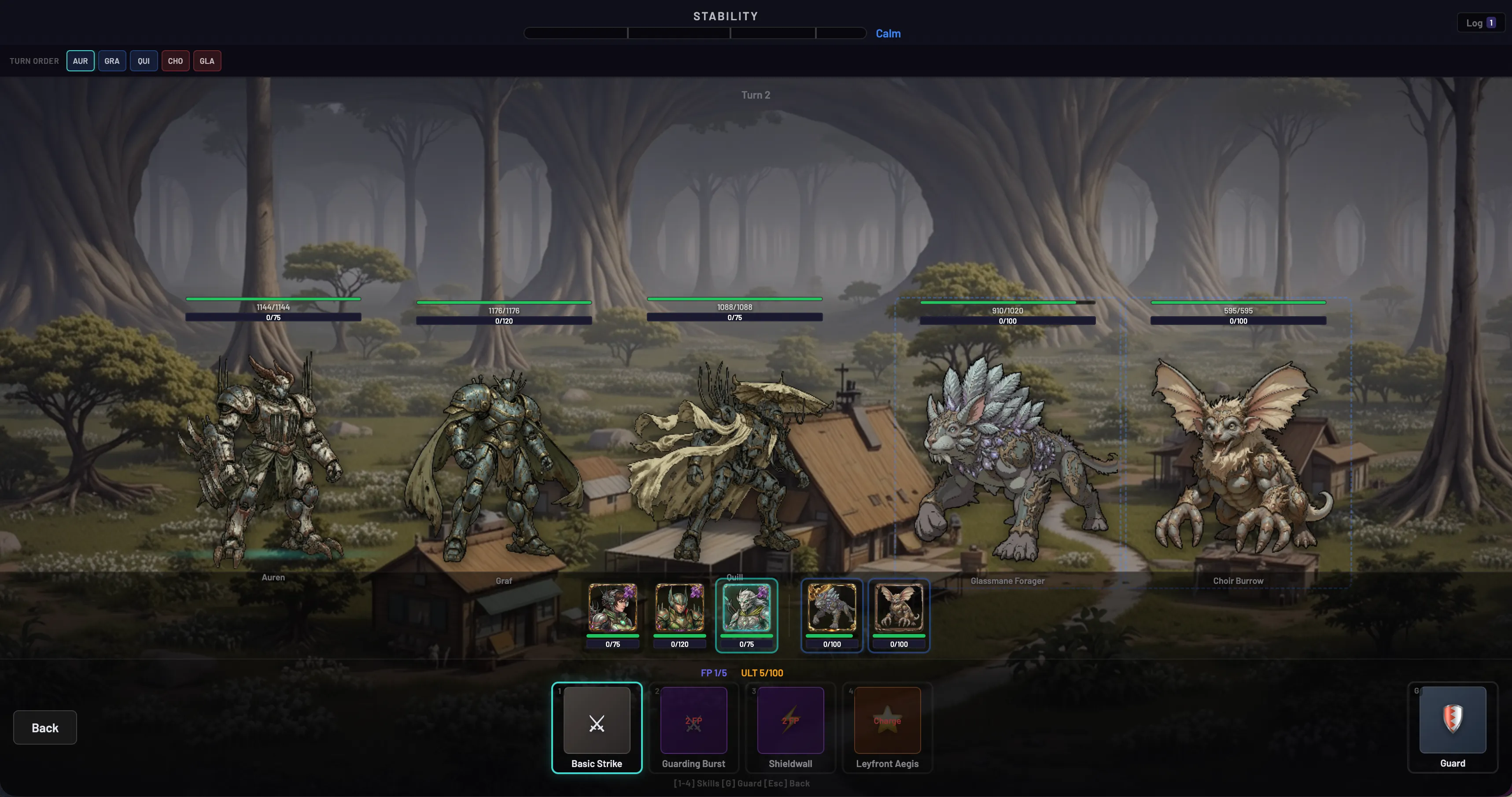
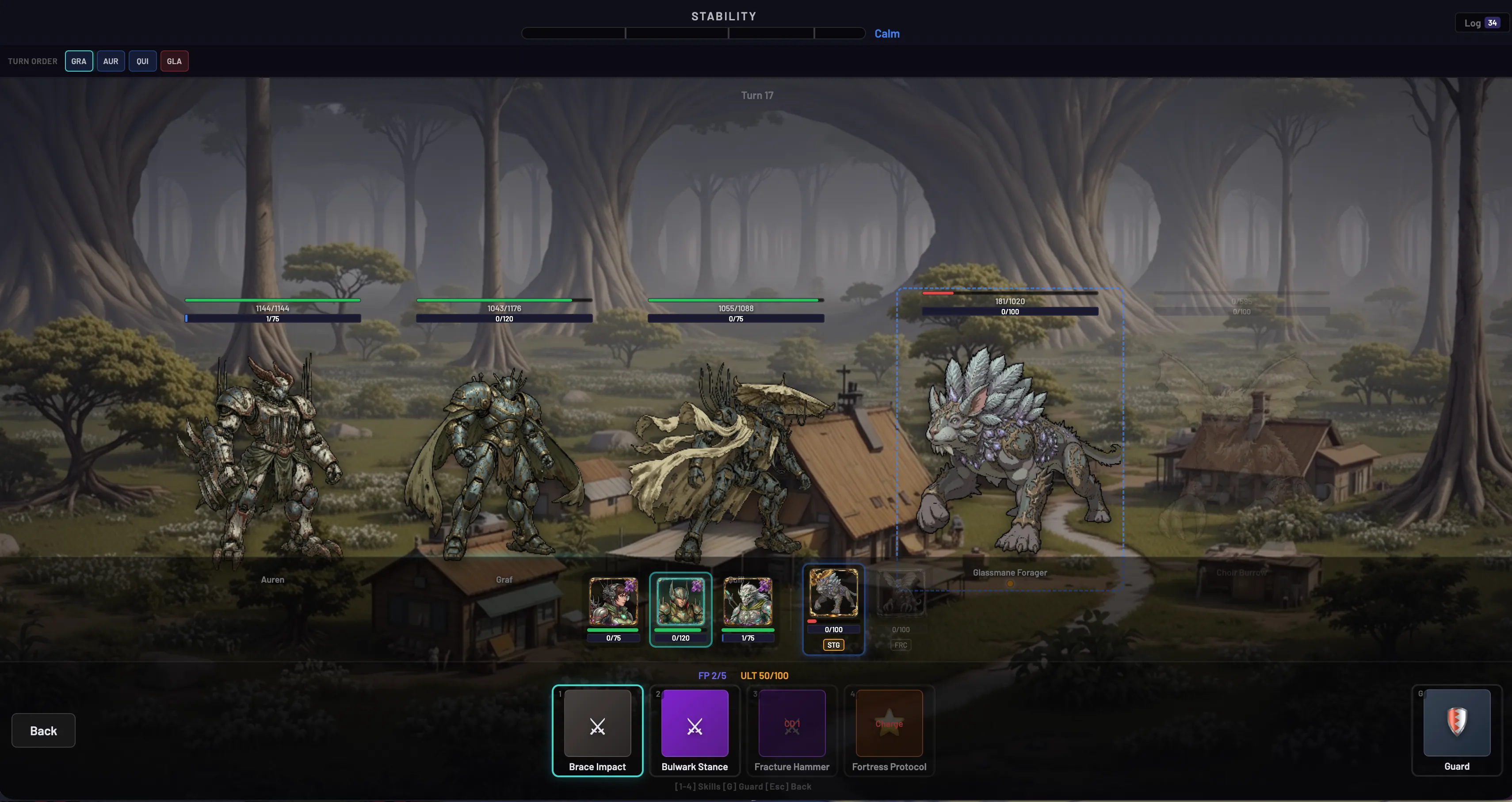
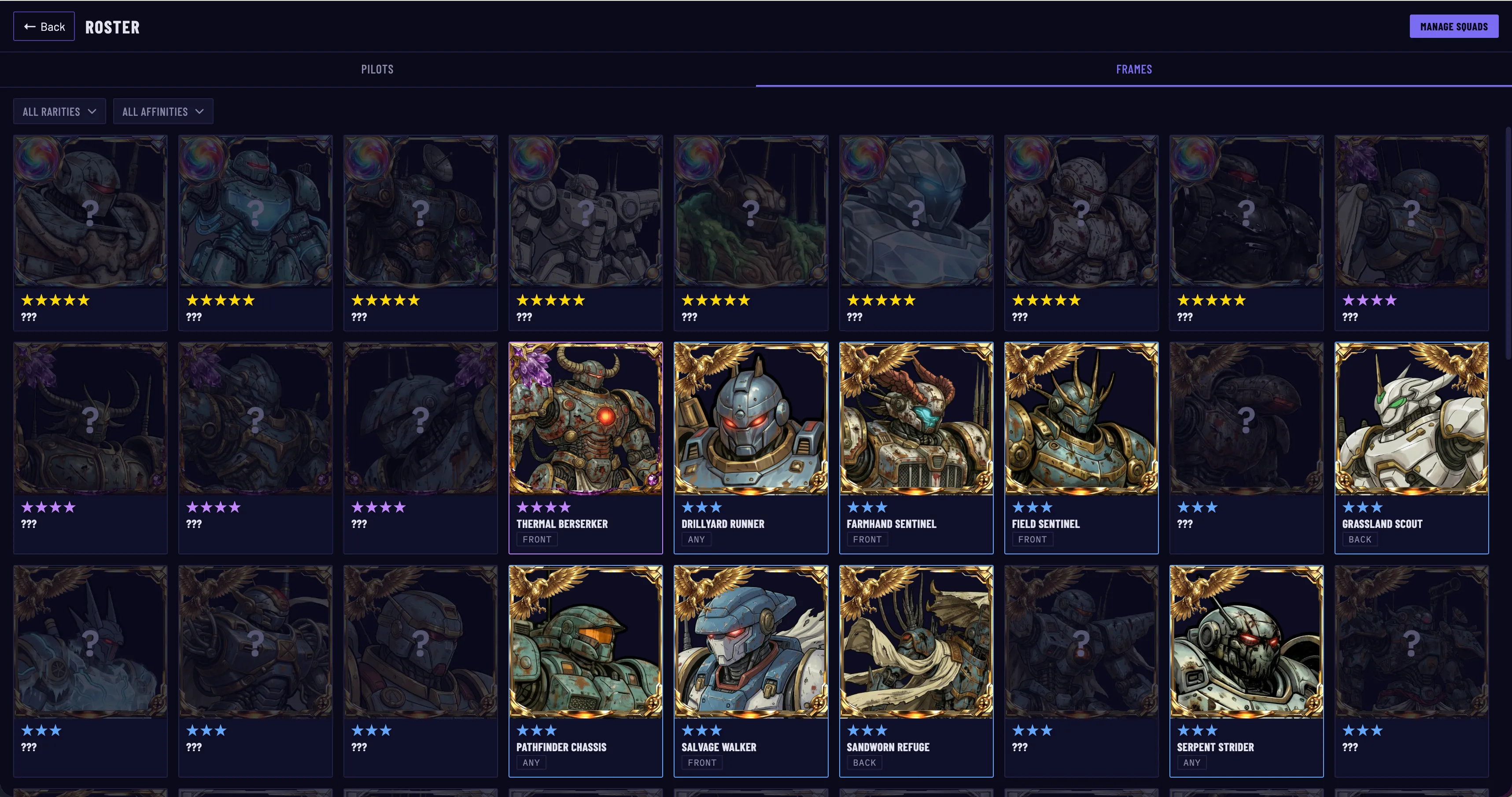
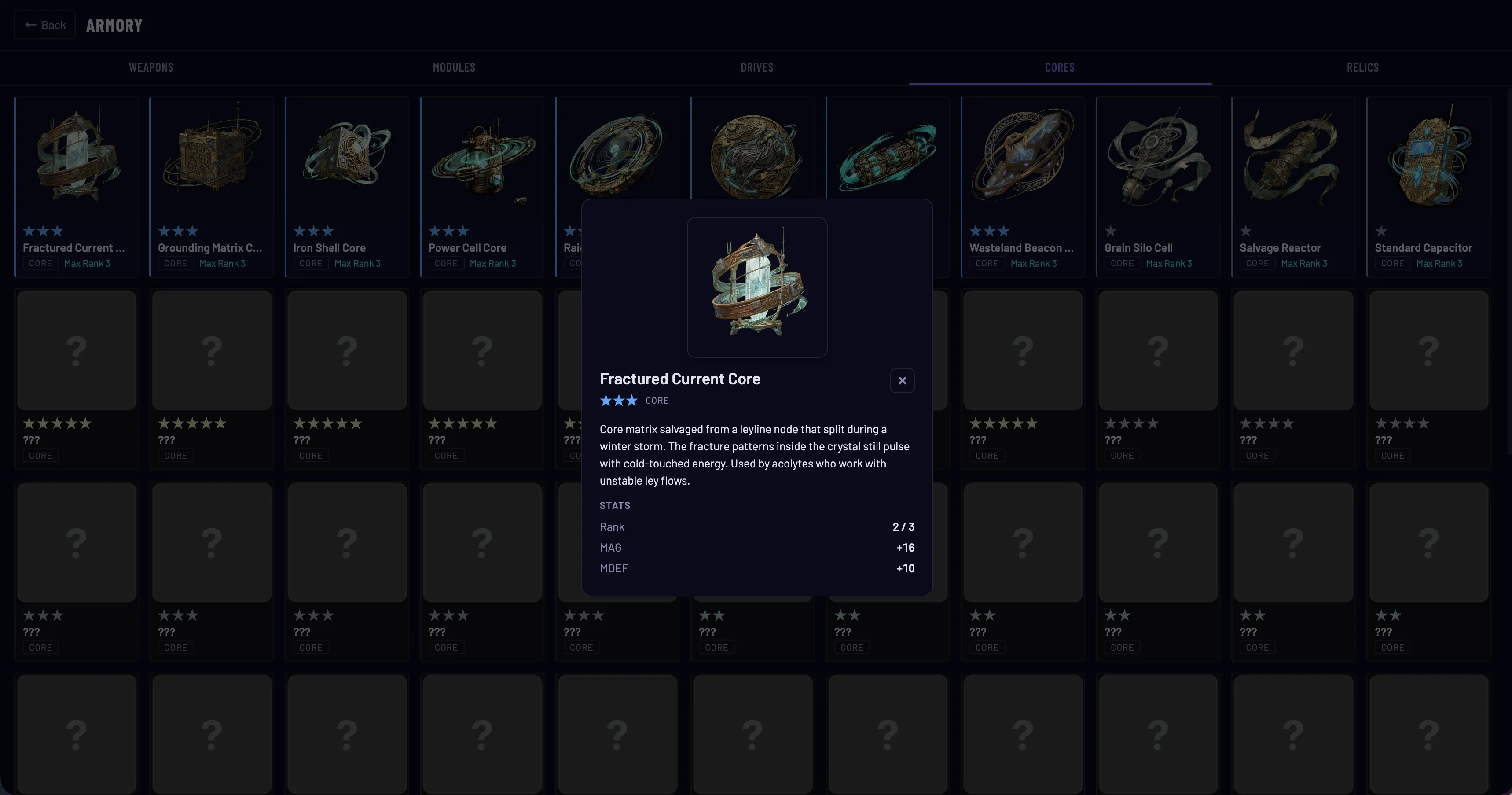
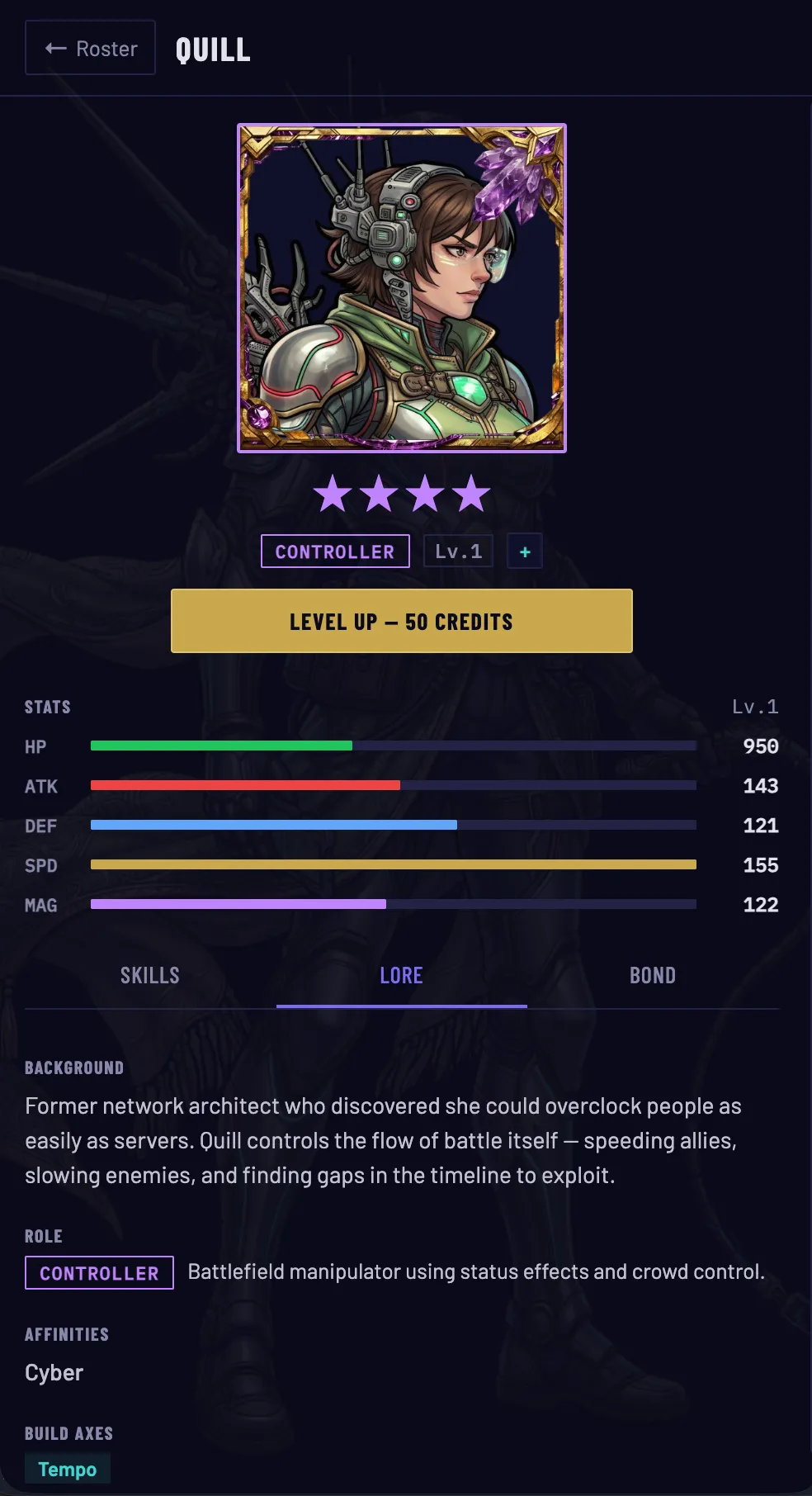
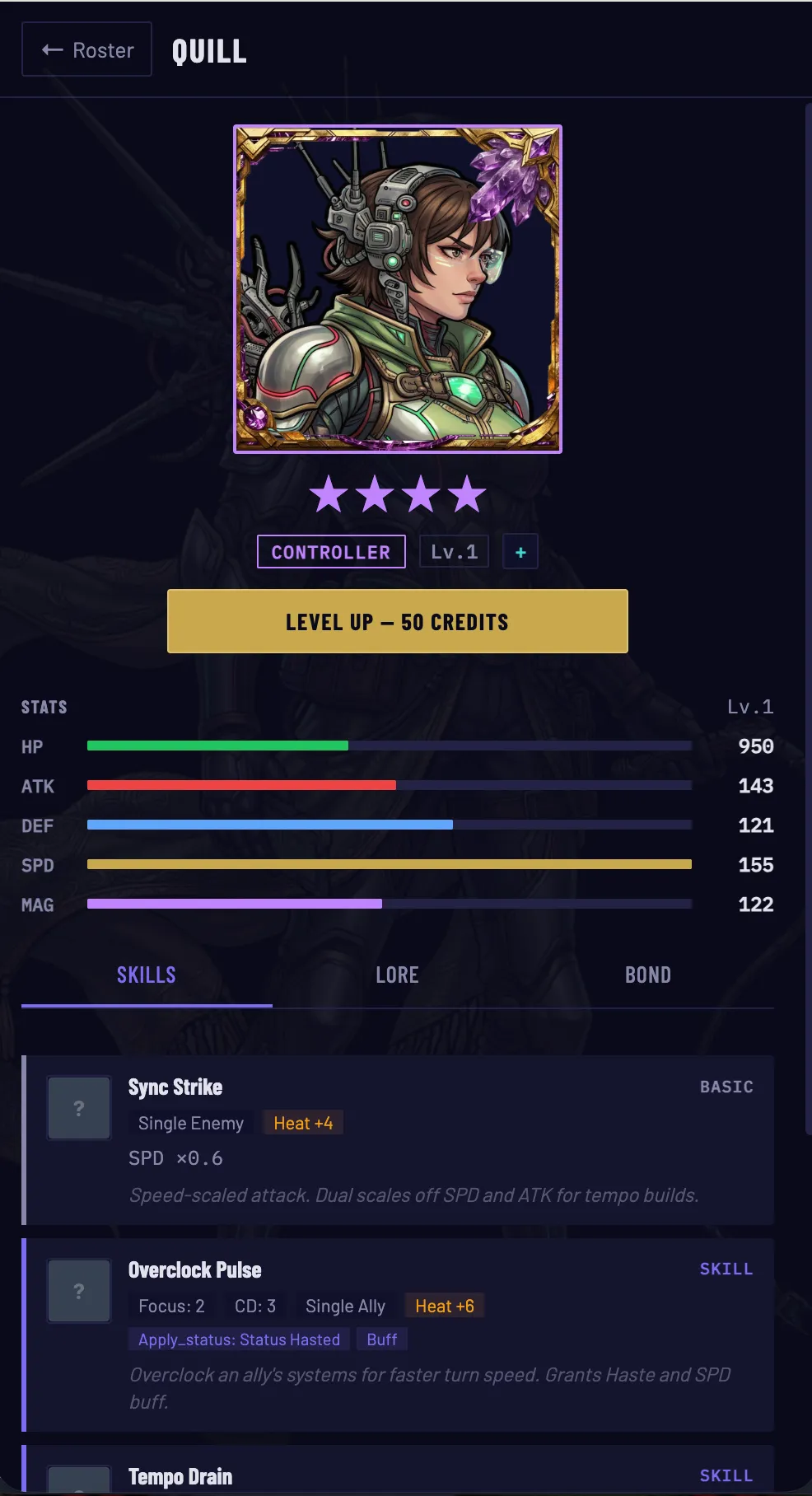
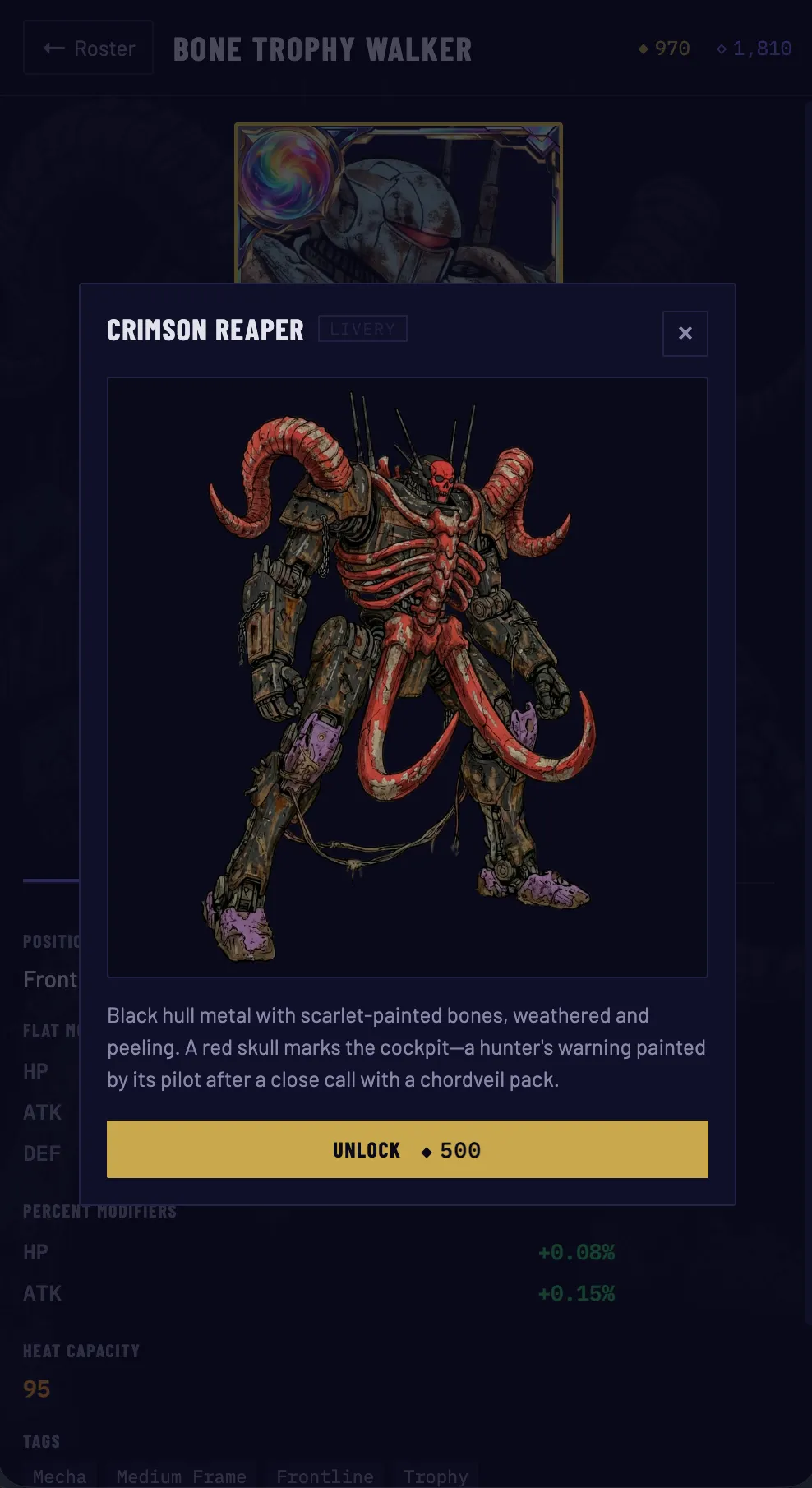
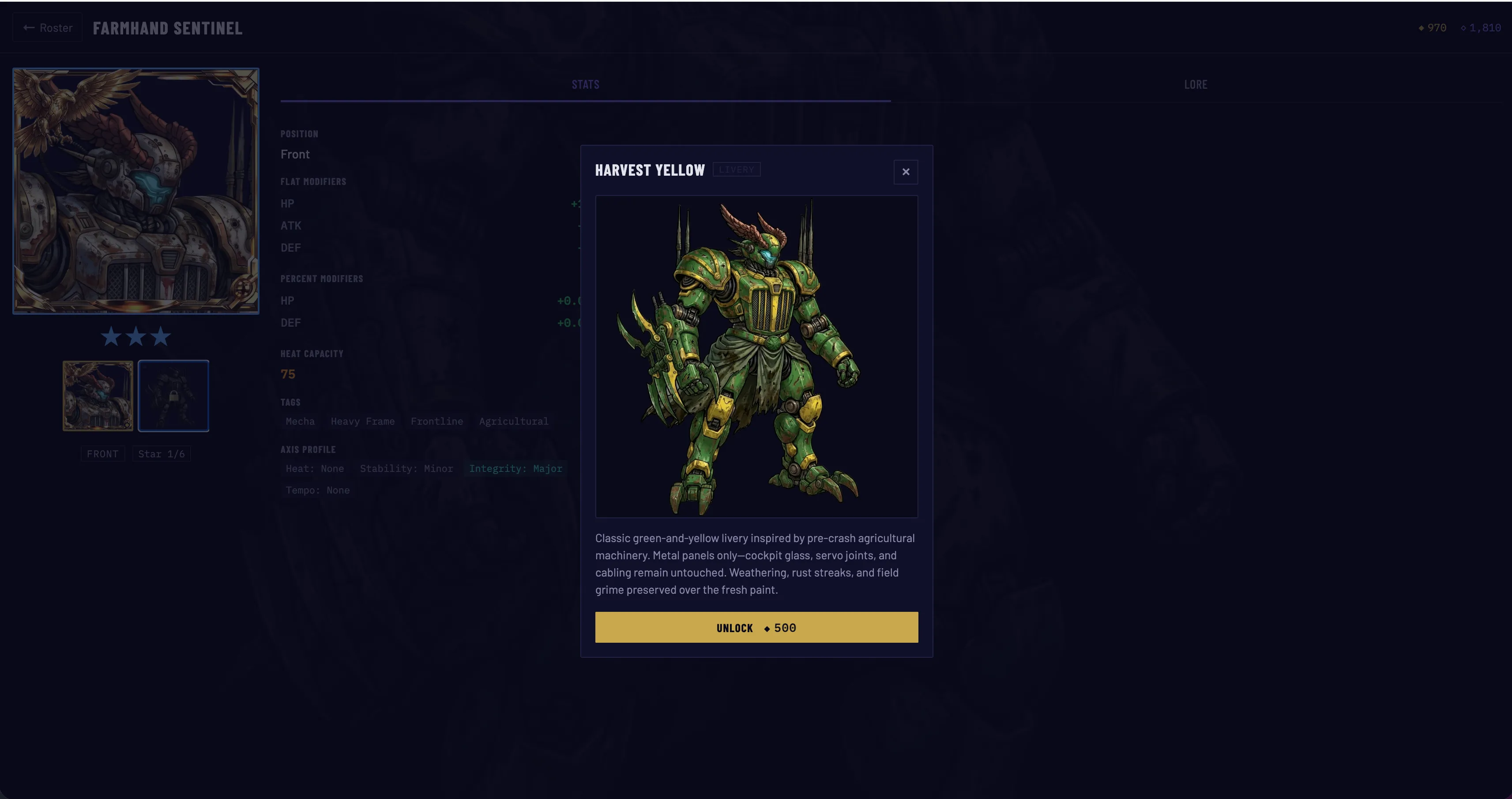
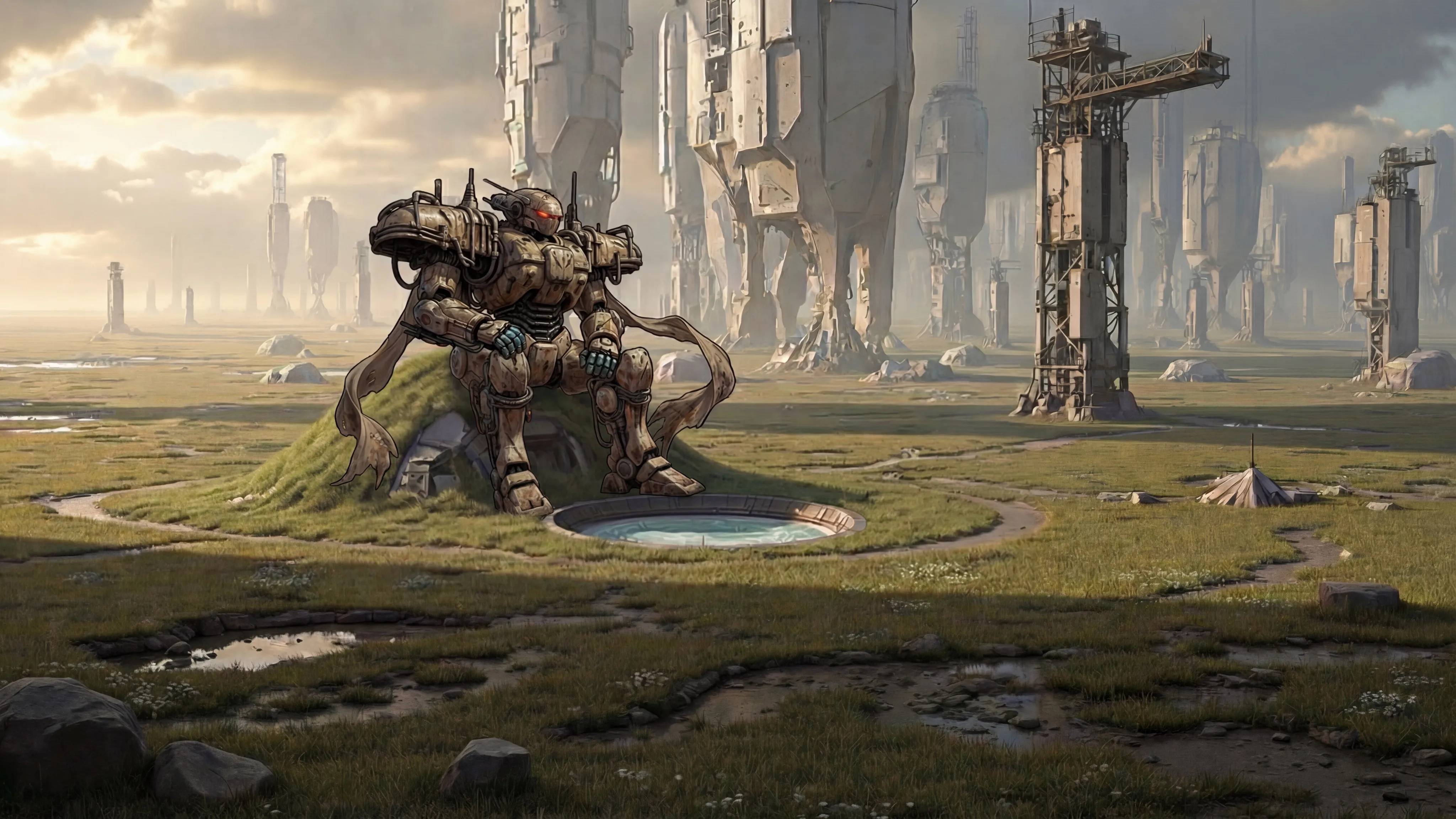
One developer split the work between two AI systems. Claude Code wrote every line of game code: a Svelte 5 frontend, a server-authoritative Node.js backend with Postgres, a deterministic combat engine, gacha progression systems, and a custom dev editor for managing all game data visually. Layer's APIs and workflows generated every visual asset: character portraits, mech illustrations, idle animations, cosmetic variants, enemy sprites, encounter backgrounds, and equipment icons. Custom styles trained on a handful of reference images locked the anime-tactical aesthetic, and Layer's batch workflows produced 100+ asset variants per run. The two systems worked in concert -- Claude built the data-driven architecture, Layer filled it with production art, and the developer directed the creative vision across 200+ pages of design documentation that served as long-term memory for the agents.
The Outcome
Three weeks. One developer. 500+ unique production assets. Foster shipped as a fully playable tactical RPG hosted on Railway with a live Postgres backend -- not a localhost demo. The game includes gacha pulls with mercy systems, five explorable biomes, cosmetic variants, doctrine trees, and a CTB turn-based combat system. The art pipeline that would traditionally require a team of artists over months was replaced by a system that compounds: once a style and workflow are set, scaling from 50 assets to 500 is a matter of hours, not headcount.