Skip to content

Galactic Conflict

Persistent space strategy where one scavenger vessel becomes a galactic power

Persistent Strategy
Web Browser

Rise from a lone scavenger vessel to galactic dominance through resource control, planetary development, and strategic expansion. A persistent mobile-first strategy game with 300+ procedurally placed planets, a live agent-driven commodities market, and a universe whose every star and world was generated through Layer.

Key Features

📈

Persistent Galactic Economy

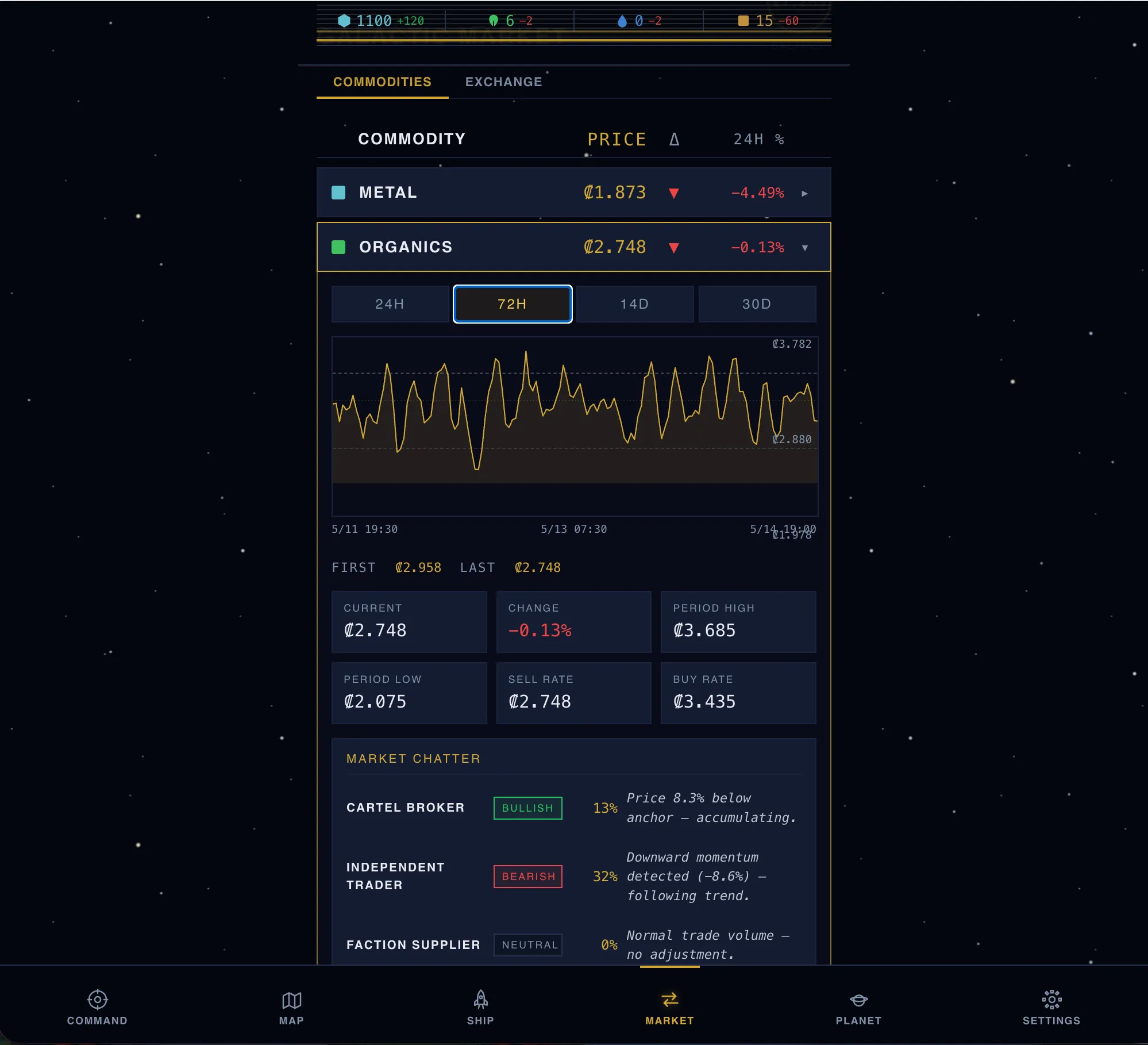
A live commodities market spanning every claimed sector. Prices shift in real time as players, factions, and agentic NPC traders buy, sell, and manipulate supply across the galaxy. No resets, no instances — one shared universe.

🤖

Personality-Driven Market Agents

Four trader archetypes — cartel brokers, independent traders, faction suppliers, and scavenger networks — run the commodity exchange. Each reads price history and volume signals, holds positions, and reacts to market shifts. Decisions are deterministic today; the agent interface is architected for an LLM-driven evolution.

🪐

300+ Generated Worlds

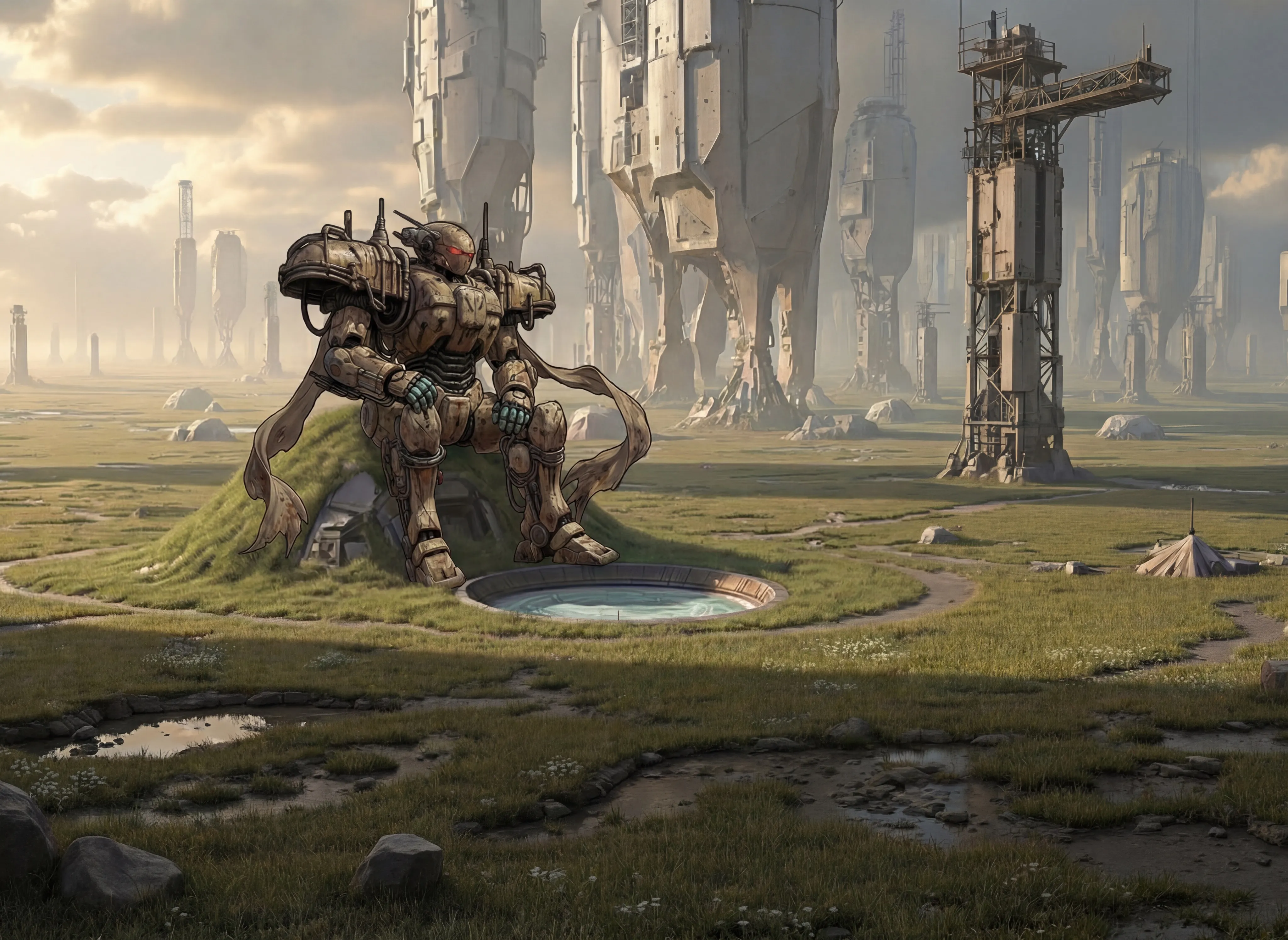
Every planet is a unique render — barren outposts, agri-domes, anomalous voids, ringed gas giants — generated through Layer and projected onto a live 3D galaxy map. Each world has its own biome, yield curve, and development path.

📡

Scan, Risk, Reward

A risk-modulated scan system turns every probe into a decision. Light scans for safety, deep scans for prize hauls, anomalous targets for unknown payoffs. The math rewards thoughtful expansion over reckless grabbing.

🚀

Fleet Construction & Ship Variants

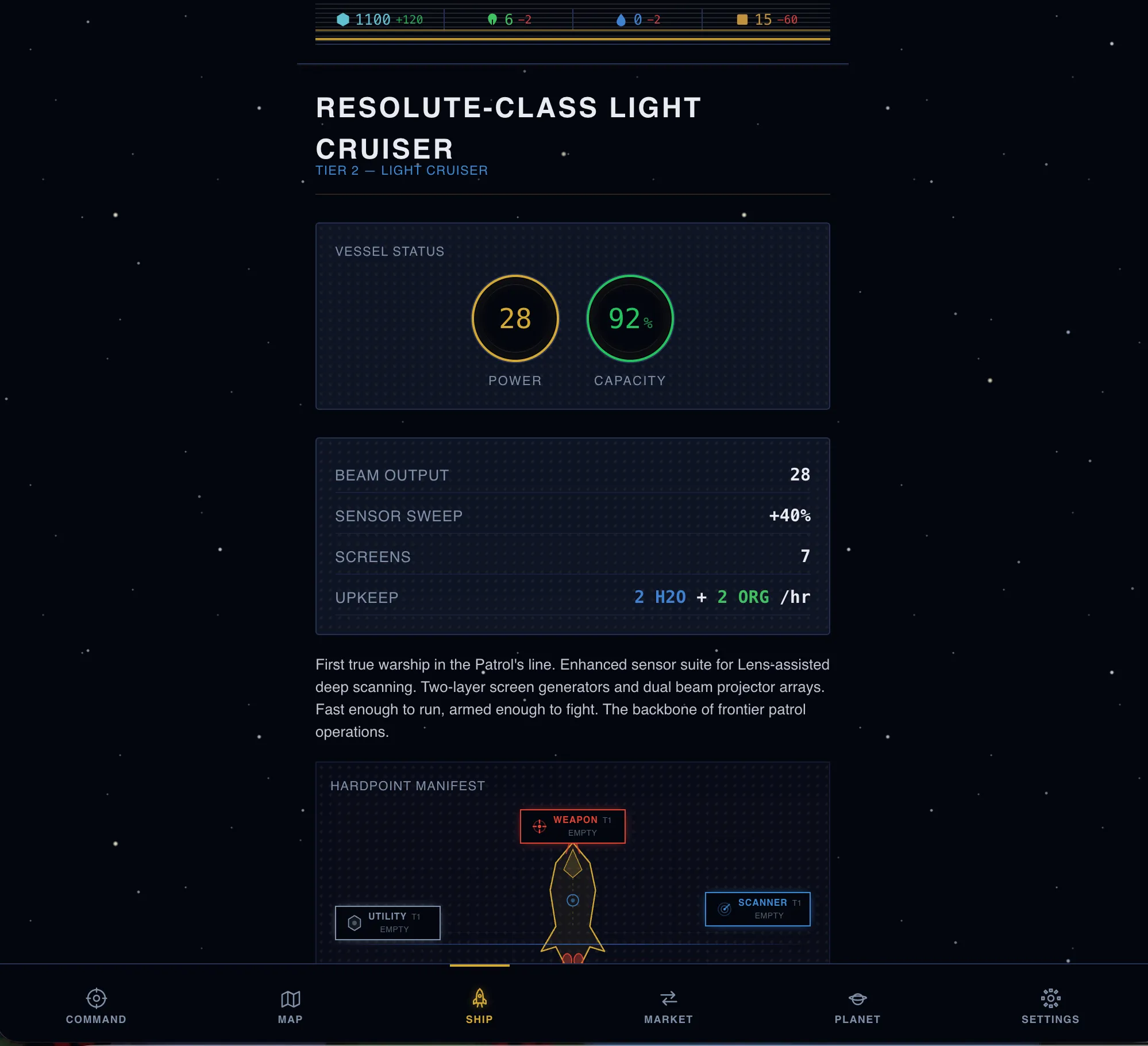
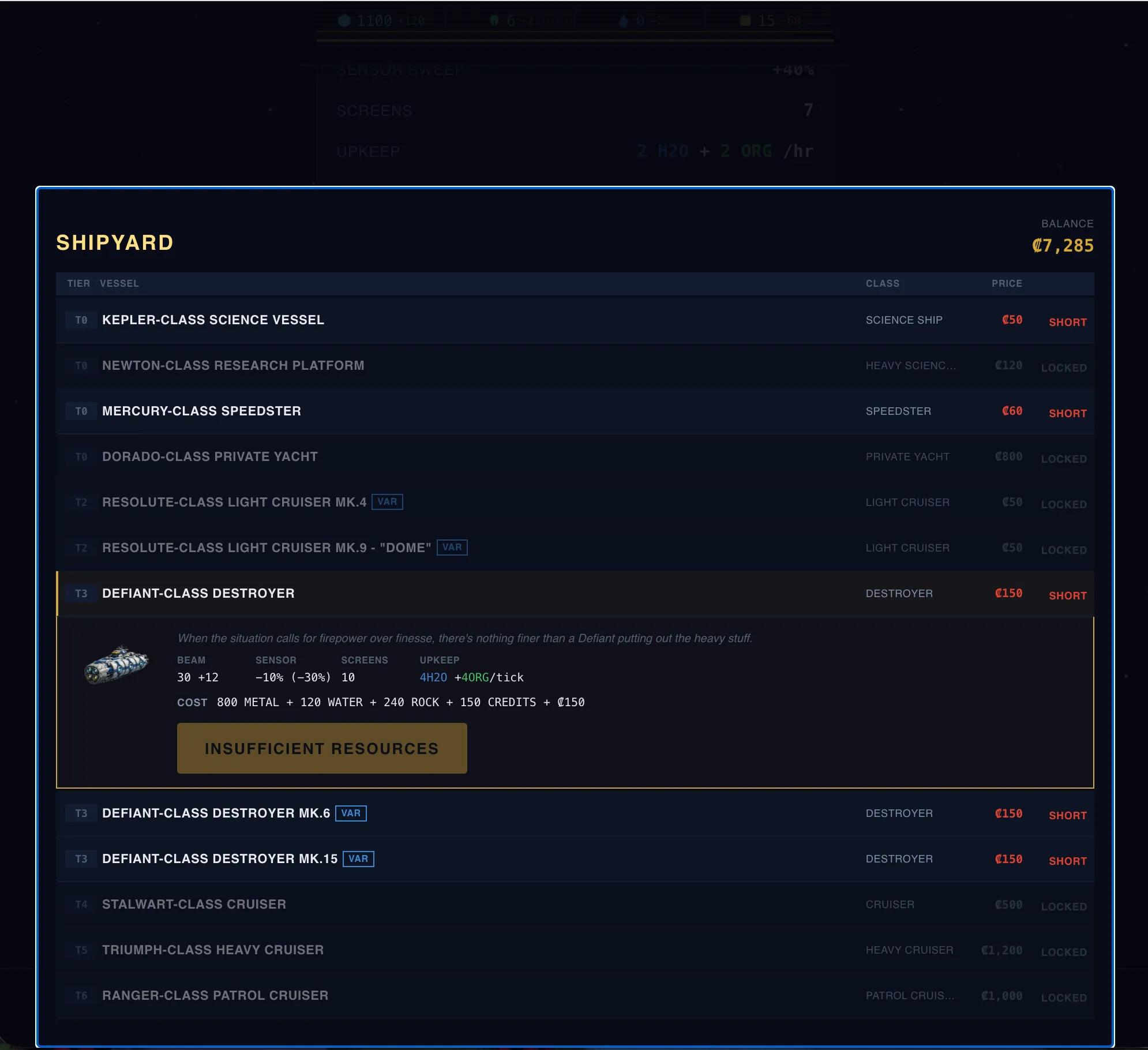
Build pickets, destroyers, and light cruisers from a shared variant system. Sparse JSON overlays inherit from parent classes, so every faction's fleet feels distinct without ballooning the content pipeline.

⚔️

No Safe Zones, No Hard Resets

Progression is persistent. Failure is friction, not termination. Scale creates fragility — the bigger you grow, the more exposed you become. Every empire is reachable from every other empire.

Built with Layer

How Layer Powers This Game

The Hypothesis

Can the Layer team ship a persistent, mobile-first space strategy game - not an instance-based skirmish, not a single-player demo, but one shared galaxy designed to scale to hundreds of thousands of users - using Claude Code and Layer's full platform? And, more importantly: can Layer's 2D image generation be pushed past flat sprite art into the foundation of a systemic 3D universe, where every planet and star is a generated image rendered as a 3D body? And can the in-game economy be run not by scripted NPCs, but by autonomous agents with distinct personalities — with the architecture in place to swap algorithmic agents for LLM-driven ones?

The Agentic Process

Claude Code helped us bootstrap the entire codebase: a Svelte 5 mobile-first SPA, an Express 5 backend with Drizzle and Postgres, a deterministic combat and scan engine, a server-authoritative real-time architecture with REST mutations and WebSocket push, and a custom content editor that lets the designer iterate game data without shipping code. Layer generated every visual: 300+ unique planets, a complete set of Hertzsprung–Russell spectral-class stars, ship-class silhouettes across pickets / destroyers / light cruisers, and faction-leader portraits - all locked to a custom "Mid-century futurism meets anime megastructure" style. Assembling the 2D-to-3D pipeline was the primary goal of this project: Rather than generating 3D models directly, we rendered each celestial body as a 2D image, and the client maps it onto a sphere and lights it in-engine. The result is a galaxy view that feels 3D while the asset pipeline stays fast and cheap, scaling to hundreds of worlds without bespoke modelling. On top of that, four trader archetypes — cartel brokers, independent traders, faction suppliers, and scavenger networks — run the commodities market. Each reads price history and volume signals, holds positions, and reacts to market shifts. Decisions are deterministic today, but the MarketAgent interface is architected so an LLM-driven wrapper can drop in behind the same contract — flipping one config flag swaps the implementation.

The Outcome

Galactic Conflict shipped with 300+ unique generated worlds projected as 3D bodies, seven spectral-class stars, a modular ship-variant system, faction-leader portraits, a server-authoritative scan-and-territory loop, and a persistent commodities market driven by four trader archetypes with distinct personalities — with the agent interface architected for an LLM-driven layer. The art pipeline that would traditionally need a 3D modeling team and a long production runway was replaced by a Layer-driven 2D-to-3D system that turns one generated image into one world, and scales as far as the procedural galaxy needs to go.
300+ Planet Renders Projected to 3D

Every planet in the galaxy is a Layer-generated 2D image mapped onto a sphere and lit in-engine. The pipeline turns a flat asset library into a living 3D solar system - barren rocks, gas giants, lava cores, agri worlds - without any hand-modeled geometry.

7 Spectral-Class Star Renders

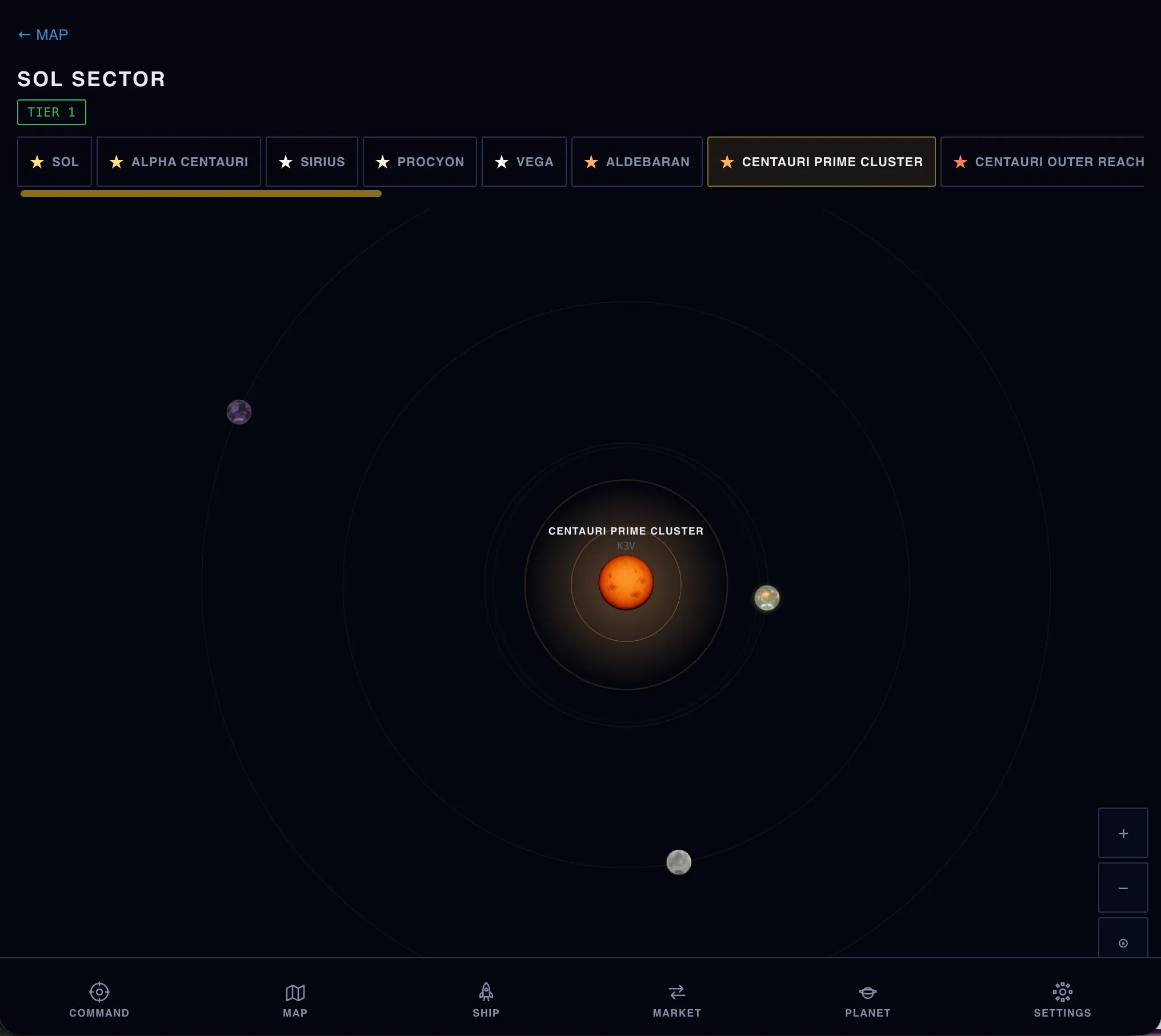
Star imagery for every Hertzsprung–Russell spectral class (O, B, A, F, G, K, M) generated through Layer and rendered as 3D bodies that anchor every star system on the galactic map.

Modular Ship Class Pipeline

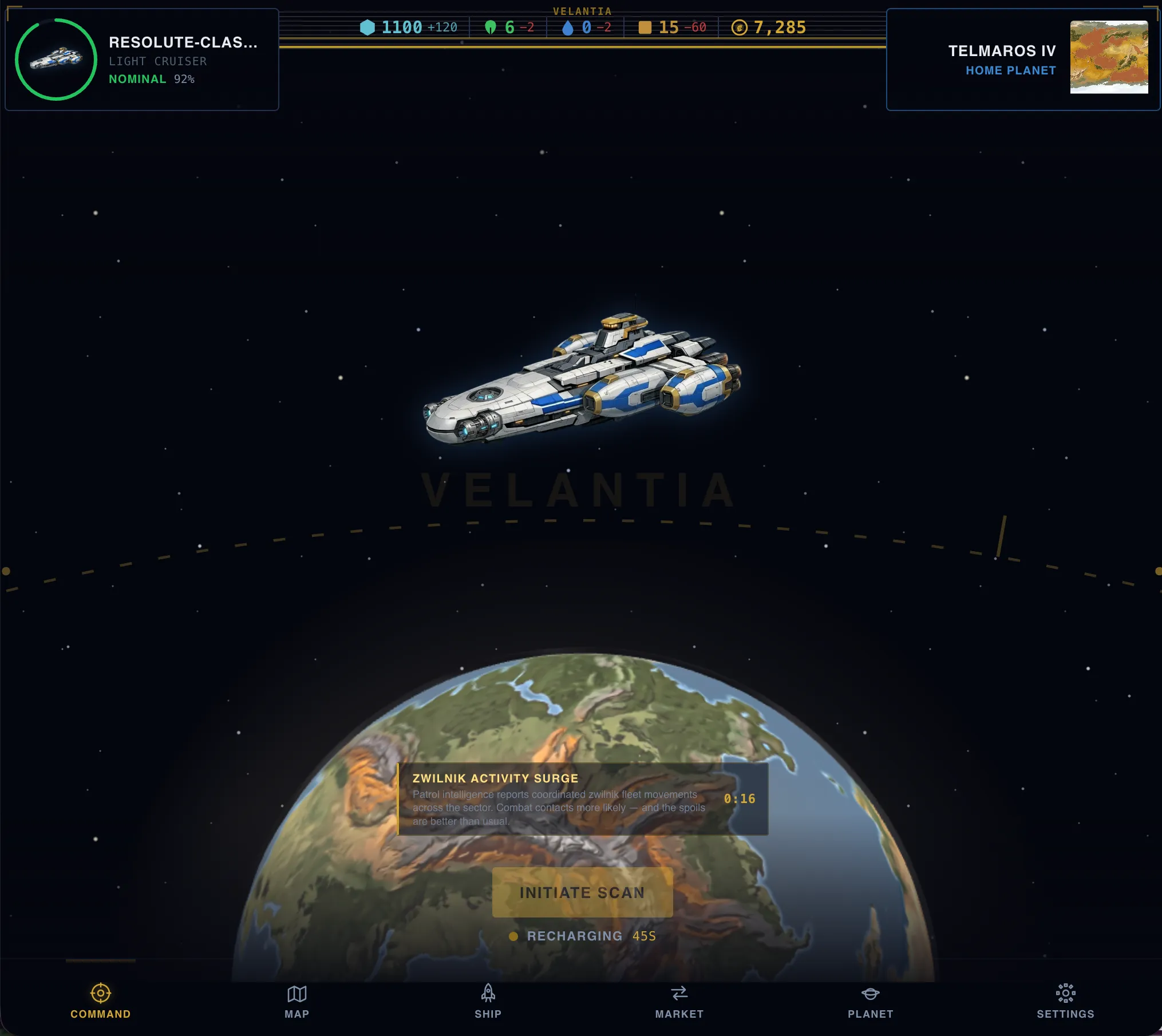
Picket, destroyer, and light cruiser silhouettes generated through Layer workflows, iterated across multiple visual passes, and snapped into a ship-variant system that scales to dozens of faction-specific fleet paint schemes without re-generating from scratch.

Character Portraits for Faction Leaders & Market Agents

Faction leaders, traders, and named market agents each get a Layer portrait paired with a distinct personality and trading style. The art pipeline is in place and the character system is wired to a swappable agent interface ready for an LLM-driven evolution.

Procedural Galaxy, Generated Universe

Sector layouts, biome assignments, and event chains are systemically defined; the visuals are generated. The result is a galaxy where the math is procedural and the art is consistent across thousands of possible worlds.

Planets: 300+ Worlds as 3D Bodies

Every planet in Galactic Conflict began as a 2D Layer render and ends as a 3D sphere in the player's galaxy view. The pipeline takes generated images, maps them as textures, and lights them in real time — turning a flat asset library into a living solar system. A custom style locked the consistent "satellite-photographed alien world" aesthetic across hundreds of variants.

Stars: All Seven Spectral Classes

The galaxy is anchored by real stellar science — every star system uses a Layer-generated body matching its Hertzsprung–Russell class. Blue supergiants for the dangerous O-types, dim red dwarfs for the cool M-types, and everything in between. Each is rendered as a 3D body in the galaxy view, so the colour of a system at a glance tells you something true about it.

Ships: Modular Fleet Classes

Picket, destroyer, and light cruiser hulls were generated through Layer workflows with a shared "Mid-century futurism meets anime megastructure" reference language. Each base class drives a ship-variant system: Sparse JSON overlays let factions reskin and retune every hull without re-running the art pipeline.

Characters: Portraits Powering Market Agents

Faction leaders, traders, and named market agents each carry a Layer portrait paired with a distinct trading style and faction allegiance. The face you see on the trade screen is the agent moving the market — algorithmic today, with an LLM-driven layer ready to plug into the same agent interface.

Screenshots

Galactic Conflict screenshot 1
Galactic Conflict screenshot 2
Galactic Conflict screenshot 3
Galactic Conflict screenshot 4
Galactic Conflict screenshot 5
Galactic Conflict screenshot 6

Create production-ready assets for your game today.